
So You Want to TNR?
We commend you for your interest in making a difference in the lives of Midland cats. We would love to help guide you through the process.
Follow the Steps500+
Cats Rescued
300+
Cats TNR'd
100+
Active Volunteers
300+
Successful Adoptions
The Humane Solution
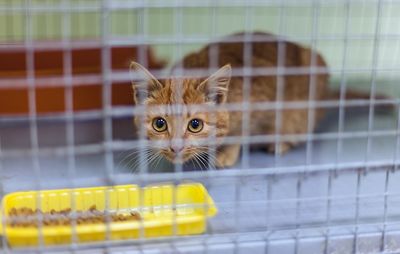
Trap-Neuter-Return (TNR) is the only proven humane and effective method to stabilize and reduce feral and stray cat populations. Cats are humanely trapped, spayed or neutered, vaccinated against rabies, ear-tipped for identification, and returned to their outdoor home.
Read through the steps below to get a sense of what it takes to TNR. If you have more questions, feel free to reach out to us — we are here to help!
How to TNR a Feral Cat
Step 01: Concerned Citizen
Most feral cat colonies are found within a community — whether it's a backyard, a parking lot, a factory, a barn, or an alley behind an apartment building. The effectiveness of your TNR project and the long-term security of the cats will depend on the cooperation and understanding of the people who live and work in the area. They need to be educated about your work and have their own concerns heard. You can also contact Midland Cat Wranglers to borrow a trap or arrange further assistance.
Step 02: Make an Appointment
Make an appointment with any vet you would like, or we can recommend one for you. Certain vets host feral cat surgery days and there are also other low-cost options available.
Step 03: Obtain a Voucher
If you live within Midland City limits, you can obtain a $70 voucher toward the cost of surgery. Bring a copy of your current utility bill and a matching-address ID to animal services and request a feral voucher. You may obtain up to 10 vouchers. Vouchers are valid for 2 weeks, so make sure your surgery appointment is already scheduled. Midland County residents should contact us for participating vet information.
Step 04: Gather Supplies
You may borrow a trap from Midland Cat Wranglers or use your own. If you borrow one from us, we will show you how to use it and what additional supplies you will need. Typical supplies include large towels, disposable plates, tuna (any fishy food works), puppy pads, and a tarp to protect your vehicle and holding space flooring.
Step 05: Set Up the Trap
Trap the cats the day before surgery — they cannot have food or water for at least 8–12 hours beforehand (check with your vet). Cats are most active in the evening just before sunset, so that is generally the best time to set traps. Always trap on your own property or with the property owner's permission. A solid surface like concrete is best to reduce movement and avoid ants. Bait with tuna, cover with a towel, then watch and wait!
Step 06: Move to Holding Space
Once you have trapped a cat, check for an ear tip — a clean cut at the tip of the ear indicates the cat has already been spayed or neutered. Then move the trap to an indoor space such as a garage or spare room (avoid extreme temperatures). Keep the cat there until you bring them to surgery the following morning.
Step 07: Surgery Day
Transport the cat to the vet, where they will be spayed or neutered, ear-tipped, and given a rabies vaccine. For the safety of veterinary staff, cats must be sedated before examination. Once sedated, they will be scanned for a microchip and the owner notified if one is found. Additional veterinary care will be provided as needed.
Step 08: Recovery and Return
After pickup from surgery, the cat must remain in the trap for a minimum of 24 hours — even if they were only sedated and did not need surgery. Provide food and water per your vet's recommendations and keep the trap clean (puppy pads make this easy). Once the cat has been held for 24 hours and looks healthy, release them back to the exact same location where they were trapped.
Watch: How to Trap a Feral Cat for TNR
Don't forget to check out this helpful video for a visual walkthrough of the trapping process.
Watch the VideoGot More Questions?
Reach out to us for more guidance and assistance on TNR — we are here to help every step of the way.
Help Us Help Midland's Community Cats!
Every donation funds trapping supplies, surgeries, and care for Midland's feral cat community.
 PayPal